
Search engine optimization often feels complicated because many guides focus on isolated tips. In reality, strong rankings are driven by a small set of core concepts that work together. When these concepts are implemented systematically, websites gain visibility, traffic, and long-term growth.
What actually determines whether a page ranks? The answer lies in 5 essential SEO concepts that shape how search engines evaluate content and websites. Understanding these principles helps you make smarter decisions instead of relying on scattered tactics.
Table of Contents
1. Search Intent Alignment
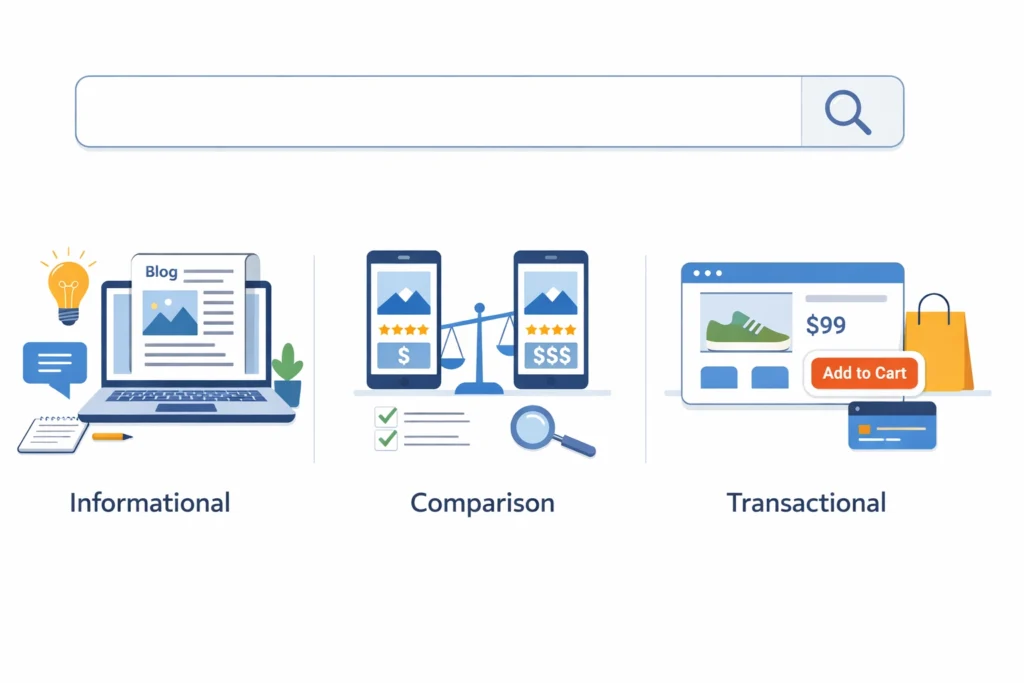
Every search begins with a purpose. Someone might want information, compare solutions, or make a purchase. Search engines aim to show results that match that purpose as closely as possible.
If your page targets a keyword but does not match the user’s real intent, it will struggle to rank. For example, a product page attempting to rank for an informational query rarely performs well because users expect explanations, not sales offers. Real-world keyword targeting examples can be seen in specialized strategies such as SEO for HVAC business, where intent alignment determines which pages attract emergency-service search traffic.
How do you align with intent?
1. Study the top ranking pages for your keyword
2. Identify whether results are informational, commercial, or transactional
3. Structure your page to match the dominant format
4. Answer the main question early in the content
When your content directly satisfies what the searcher wants, rankings improve naturally because engagement signals become stronger.
Quick takeaway: Ranking begins with intent match. If intent is wrong, optimization efforts rarely succeed.
2. Topical Authority and Content Depth
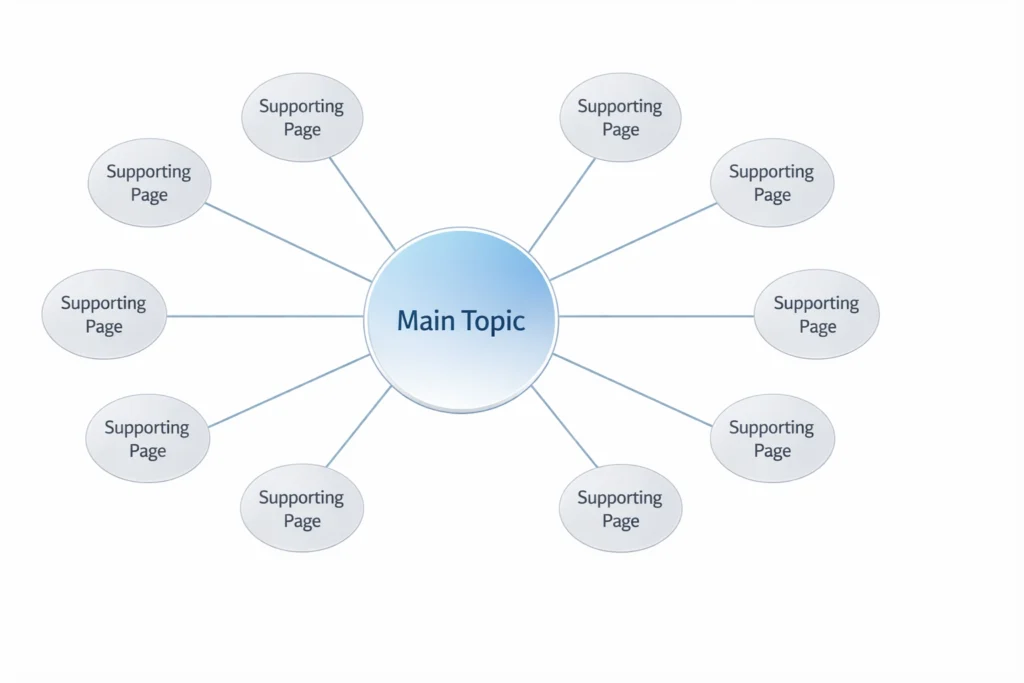
Search engines no longer evaluate pages in isolation. They assess whether a website demonstrates expertise across an entire topic. This is often referred to as topical authority.
A single blog post rarely establishes authority. Instead, websites build credibility by publishing multiple related resources that cover different aspects of the same subject. Over time, this creates a knowledge ecosystem that signals expertise. Many businesses struggle because they follow outdated assumptions or incomplete strategies. Understanding common misconceptions, such as those discussed in SEO myths that could be hurting your business, helps clarify why topic depth matters more than isolated articles.
Consider the difference between:
- One article about SEO basics
- A complete set of guides covering keyword research, technical optimization, internal linking, analytics, and strategy
The second approach clearly communicates depth and expertise.
Quick takeaway: Authority is built across topics, not individual pages.
3. Internal Linking and Site Structure
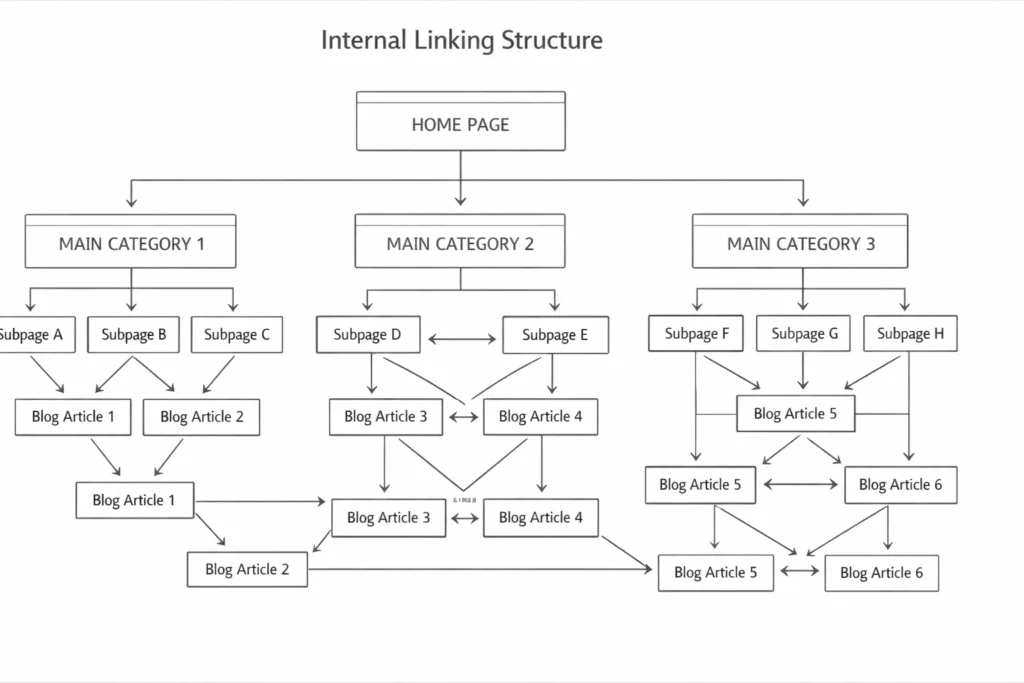
Internal linking is one of the most underused ranking factors, yet it plays a major role in how search engines understand websites. Links between pages help search engines discover content, determine relationships between topics, and identify which pages are most important.
A well-structured site acts like a roadmap. Important pages receive more internal links, supporting pages connect logically, and related resources guide users deeper into the site. Technical issues can sometimes prevent pages from being properly indexed, which is why learning how to fix discovered or crawled currently not indexed issues is essential for maintaining visibility. Conducting a step-by-step technical SEO audit can further strengthen structure and crawlability.
Effective internal linking practices include:
- Linking related articles within the body of content
- Using descriptive anchor text that reflects the page topic
- Prioritizing key pages with additional links
- Creating category or hub pages that organize content
Quick takeaway: Internal links tell search engines which pages matter most and how topics connect.
4. Authority Signals and Credibility
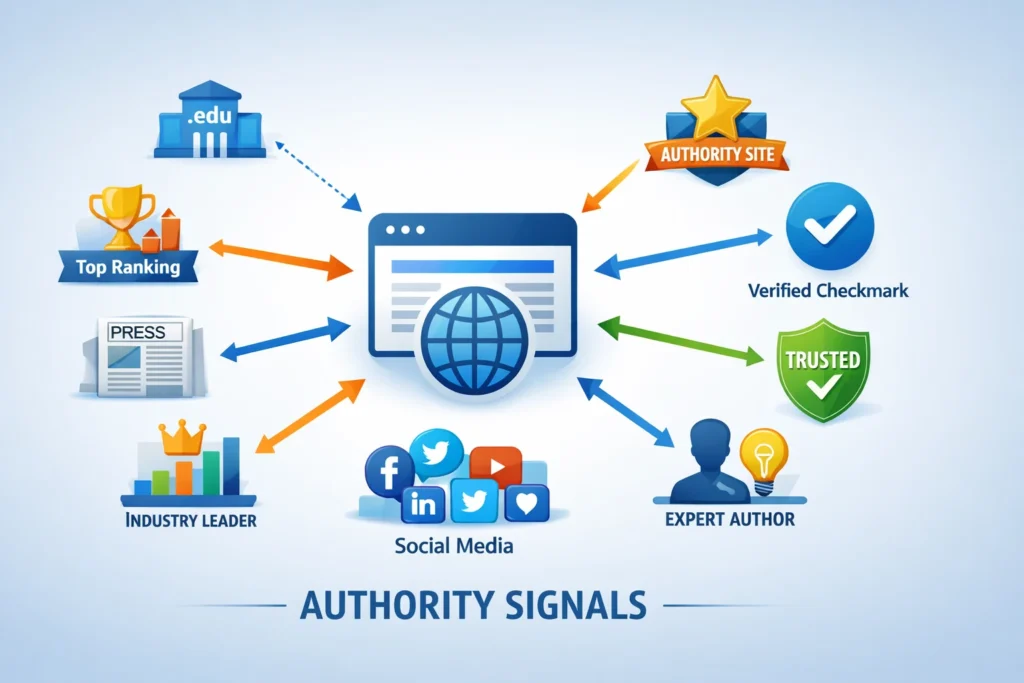
Search engines rely on external signals to evaluate credibility. When other reputable websites reference your content, it acts as a form of validation that your information is trustworthy and valuable.
These signals often come from backlinks, brand mentions, industry citations, and partnerships. Authority is also influenced by brand visibility across channels. Discussions around whether social media is important for SEO highlight how broader brand recognition can indirectly strengthen credibility and search trust signals.
How can authority signals be earned naturally?
- Publish research, guides, or insights worth referencing
- Contribute expert commentary to industry publications
- Collaborate with partners or organizations
- Participate in podcasts, interviews, or expert roundups
Quick takeaway: Credibility from trusted sources strengthens ranking potential and long-term visibility.
5. Consistency and SEO Compounding
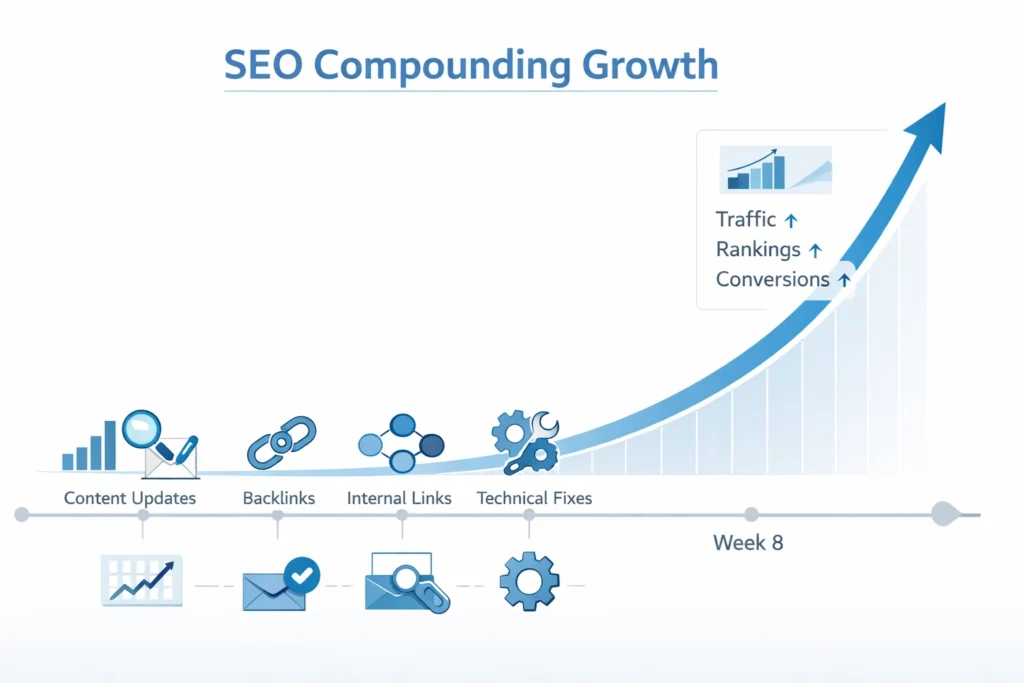
SEO is not a one-time activity. It works more like compounding growth, where small improvements accumulate over time. Consistent publishing, optimization, and refinement gradually strengthen a site’s visibility. Staying informed about evolving strategies, such as guidance on how to stay up-to-date on evolving SEO best practices and upcoming industry shifts like unexpected SEO changes that will redefine search, helps maintain long-term momentum.
Many businesses expect quick results and abandon efforts too early. In reality, sustained improvement comes from steady progress:
- Updating existing content to keep it relevant
- Expanding topic coverage gradually
- Improving technical performance
- Strengthening internal linking over time
Quick takeaway: Consistent improvements compound into stronger rankings over time.
Last But Not The Least About SEO Concepts
Successful SEO is not built on random tips. It is built on understanding the core concepts that drive rankings and applying them systematically. By aligning content with search intent, developing topical authority, strengthening internal linking, building credibility, and maintaining consistent optimization, websites create a foundation for sustainable visibility.
If your goal is stronger organic growth, begin by evaluating your current strategy against these five concepts. Small improvements applied consistently can transform long-term performance and position your website as a trusted resource in your industry.
If you want to have a little chat about SEO, here is my LinkedIn account.

This is Muhammad Asad. I like to play table tennis and love Digital Marketing and SEO. I have 7+ years of SEO experience. I would love to chat, discuss or break down any SEO or website problem.