
If you’ve ever thought, “Why SEO does not work for my business?” You’re not alone. Many business owners pour time and money into search engine optimization, only to see little or no return. The truth is, SEO does work but only when done right, with strategy, patience, and precision.
Search engine optimization isn’t a quick-fix marketing tactic; it’s a long-term investment in visibility, credibility, and customer trust. Yet, many businesses struggle because they misunderstand what SEO really entails. Let’s uncover the hidden reasons why your SEO efforts might be failing and, more importantly, how to fix them.
Table of Contents
Understanding What SEO Really Means for Businesses
SEO Beyond Keywords: Strategy, Structure, and User Intent
SEO is more than sprinkling keywords throughout your website. It’s an interconnected system involving content, site structure, backlinks, user experience, and intent-driven optimization. The businesses that win with SEO are those that approach it as an integrated digital strategy not an isolated task.
Why “Doing SEO” Isn’t Enough: The Common Misconception
Many business owners say, “We’re already doing SEO,” without truly understanding what that means. SEO is not a one-time checklist; it’s an ongoing process that evolves with search engine algorithms, user behavior, and competition.
Read More: 5 Must-Know SEO Concepts for Better Rankings
1. Unrealistic Expectations About SEO Results
The Myth of Overnight Rankings
One of the biggest reasons people think SEO doesn’t work is impatience. Unlike paid ads that generate immediate results, SEO takes months to mature. Google’s algorithm rewards consistency and quality, not speed. If you expect top rankings in a few weeks, disappointment is inevitable.
As algorithms evolve, SEO doesn’t work overnight, it adapts over time.
Understanding SEO as a Long-Term Investment
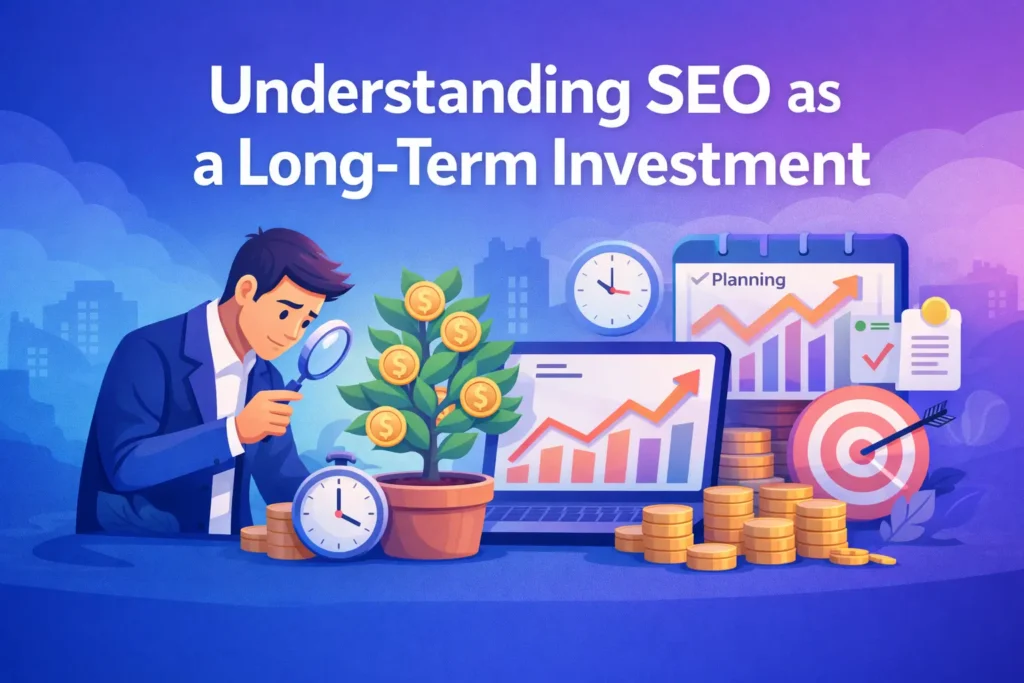
SEO is like planting a tree, it takes time to grow, but once it does, it yields fruit for years. When executed properly, SEO becomes a compounding asset, consistently bringing in traffic without recurring ad costs.
2. Poor Website Structure and Technical SEO Issues
Site Speed, Mobile Optimization, and Crawlability
If your site loads slowly or isn’t mobile-friendly, Google notices. Technical SEO factors like page speed, structured data, and site hierarchy directly affect your visibility. A cluttered website confuses both users and search engines.
How Broken Links and Duplicate Content Hurt SEO
Search engines penalize poor technical health. Broken links, duplicate content, or missing XML sitemaps can drastically reduce your ranking potential. Regular audits are essential to maintain site health. Many sites also face Google indexing issues that prevent visibility.
3. Lack of Quality Content and User Intent Alignment
Writing for Algorithms vs. Writing for People
Some websites stuff keywords without delivering real value. This approach fails because Google prioritizes helpful, user-first content. Articles should answer real questions and solve genuine problems for your audience.
The Role of E-E-A-T in Modern SEO
E-E-A-T stands for Experience, Expertise, Authority, and Trustworthiness. Google evaluates your content and author credentials to determine quality. A business website without credible information, sources, or expertise won’t rank well.
4. Ignoring Local SEO Opportunities
Why Local SEO Matters for Small and Medium Businesses
If your business serves a specific region, local SEO is critical. Optimizing for local keywords, maintaining accurate business listings, and collecting local reviews can skyrocket visibility in your area.
Google Business Profile and Local Citations
Many businesses forget to optimize their Google Business Profile (GBP). Without updated hours, contact details, or reviews, you’re losing valuable local traffic. Consistent NAP (Name, Address, Phone) data across directories builds trust with Google.
5. Weak Backlink Profile and Authority Building
What High-Quality Backlinks Really Mean
Not all backlinks are equal. One link from a reputable site is worth more than dozens from low-quality directories. Google values authority and relevance.
Avoiding Black-Hat SEO and Link Schemes
Buying links or participating in link farms might bring short-term boosts but can lead to long-term penalties. Focus on earning links through quality content and genuine relationships.
6. Not Tracking Performance or Using Analytics Properly
Importance of KPIs and Conversion Tracking
Without tracking key performance indicators (KPIs), like organic traffic, bounce rate, and conversion rate, you can’t measure progress. Many businesses assume SEO isn’t working when, in reality, they just aren’t tracking correctly.
Ensure your Google Search Console and Analytics are configured correctly to track data.
How to Interpret SEO Data Effectively
Google Analytics and Search Console provide insights into how users find and interact with your site. Understanding these metrics helps you refine your strategy and identify weak spots.
7. Competitive Landscape and Industry Saturation
Competing with Established Brands Online
In many industries, SEO competition is fierce. If you’re up against large corporations with established authority and massive backlink profiles, ranking can be challenging but not impossible. Big brands often dominate search results because of their strong content marketing efforts and consistent SEO investment.
However, small businesses can still compete by targeting long-tail keywords (more specific search phrases) and building content that solves niche customer problems. For example, instead of targeting “marketing agency,” you could target “affordable marketing agency for restaurants in Chicago.” These targeted phrases have less competition and higher conversion potential.
How to Find SEO Gaps in a Crowded Market
One effective approach is to conduct a competitive SEO audit. Identify what your competitors rank for, analyze their backlink sources, and see which keywords they’ve overlooked. Tools like Ahrefs, Semrush, or Ubersuggest can help you find “content gaps” and untapped topics you can dominate.
Another secret weapon? Content differentiation. Don’t repeat what everyone else is saying; bring a new angle, include original data, or share real experiences. This makes your content more engaging and shareable.
8. Failing to Adapt to Algorithm Updates
How Google Updates Impact Rankings
Google updates its algorithms thousands of times per year, with major ones like Core Updates, Helpful Content Updates, and SpamBrain Enhancements reshaping how websites are ranked. If your rankings suddenly drop, it could be because your SEO strategy hasn’t evolved with these changes. You can check the current status of Google Updates here.
For instance, keyword stuffing, thin content, or manipulative backlinks that might have worked in 2016 can now trigger penalties. Search engines reward fresh, original, and user-centered content that aligns with search intent.
The Role of Continuous Optimization
SEO is not a “set it and forget it” process. Even if you achieve high rankings, you must continuously optimize your pages. Regularly update content, refresh keywords, and ensure internal links stay relevant. Businesses that treat SEO as an ongoing investment — not a one-time project — are the ones that sustain success.
9. Inconsistent SEO Efforts and Lack of Strategy
Why SEO Requires Consistency and Patience
Many businesses quit too soon. They publish content for a month, see no change, and stop. But SEO is like working out — results take time. The key is consistency in publishing valuable content, building links, and maintaining site health.
Building a Sustainable SEO Roadmap
Create a 12-month SEO strategy that includes keyword research, content planning, and link acquisition. Set realistic goals for traffic, rankings, and leads. Align SEO with broader marketing initiatives such as social media, PR, and paid campaigns to maximize visibility and brand awareness.
10. Poor User Experience (UX) and High Bounce Rates
How UX Design Affects SEO Ranking Signals
Google’s algorithm now factors in Core Web Vitals, which measure how fast your site loads, how stable it is during interaction, and how quickly users can engage with it. A poorly designed website with confusing navigation drives visitors away — signaling to Google that your site isn’t providing value.
The Power of Engagement Metrics
Metrics such as bounce rate, average session duration, and pages per visit directly influence rankings. To reduce bounce rates, focus on:
- Fast loading times (under 3 seconds)
- Clear navigation menus
- Interactive elements (videos, infographics, CTAs)
- Mobile responsiveness
When users enjoy their experience, they stay longer — boosting your credibility in Google’s eyes.
11. How to Fix the Most Common SEO Mistakes
Step-by-Step SEO Audit Checklist
Here’s a practical SEO Audit Checklist to identify and fix all issues:
- Audit technical performance using tools like Google Search Console or Screaming Frog.
- Improve on-page SEO — optimize title tags, meta descriptions, headers, and internal linking.
- Analyze content quality — rewrite low-performing articles with better structure and examples.
- Update old blog posts with new statistics and keywords.
- Check backlinks — disavow spammy ones and pursue reputable ones.
- Improve UX and design — reduce clutter, speed up loading, and enhance mobile usability.
- Monitor analytics regularly — set benchmarks and adjust your strategy monthly.
Proven Strategies to Rebuild Organic Growth
Once you’ve addressed technical issues, shift focus toward content excellence and authority building.
- Develop topic clusters — interconnected blog posts around a central theme.
- Use schema markup to help Google understand your content contextually.
- Focus on thought leadership — publish original studies, insights, or opinions.
- Encourage reviews and testimonials, especially for local SEO.
When executed consistently, these strategies can dramatically improve your rankings within 3–6 months.
12. Real-Life Case Study: How a Local Business Recovered Its SEO
The Problem
A small landscaping company in Austin, Texas, struggled to rank for even basic keywords like “landscaping near me.” Despite having a website and some blog posts, they weren’t generating any leads from search engines.
The Solution
After conducting a complete audit, we found:
- Slow site speed (6 seconds)
- Poor keyword targeting (generic terms)
- No Google Business Profile optimization
We revamped their site with faster hosting, optimized service pages for local search intent, and built local citations in directories like Yelp and Angi. We also added a content strategy with monthly blog posts about lawn care tips specific to Austin’s climate.
The Result
Within 5 months, their organic traffic grew by 172%, and they started receiving 10+ local leads weekly. The lesson? SEO wasn’t broken — their approach was.
Frequently Asked Questions (FAQs)
1. How long does SEO take to show results?
Typically, SEO takes 3–6 months to show measurable results, depending on competition, domain age, and effort consistency.
2. Can SEO fail completely?
SEO itself doesn’t fail, strategies do. When done incorrectly or inconsistently, results stagnate. The key is aligning SEO with your audience and business goals. The SEO myths and misconceptions
often lead to poor results.
3. Do I need to hire an SEO agency?
Not always. You can start by learning SEO fundamentals and using tools like Google Search Console. However, for complex sites or competitive industries, hiring experts accelerates growth.
4. What’s the difference between SEO and paid ads?
Paid ads deliver instant visibility but stop the moment you stop paying. SEO builds long-term, organic traffic that compounds over time without recurring costs.
5. How do I know if my SEO is working?
Track metrics like organic traffic, keyword rankings, click-through rate (CTR), and conversions. Consistent improvement in these areas signals progress.
6. What’s the biggest SEO mistake businesses make?
Expecting instant results or neglecting content quality. SEO success depends on strategy, patience, and continuous optimization.
Conclusion: Turning “SEO Failure” Into “SEO Success”
If you’ve been wondering why SEO does not work for my business, it’s time to shift perspective. SEO isn’t broken, it’s often misapplied, misunderstood, or mismanaged. By identifying weak points like technical issues, poor content, or unrealistic expectations, you can rebuild your strategy with confidence.
Remember: SEO is not magic, it’s methodology. When approached strategically, it becomes your most powerful marketing channel, driving consistent traffic, authority, and sales growth.
For more advanced SEO techniques, check out Do I need SEO?

This is Muhammad Asad. I like to play table tennis and love Digital Marketing and SEO. I have 7+ years of SEO experience. I would love to chat, discuss or break down any SEO or website problem.